By Jeff Field | Published November 15, 2021 | Posted in Bankruptcy | Tagged Tags: assets, Chapter 13 bankruptcy, repayment plan, unsecured debt | Leave a comment

What Happens to Assets You Receive While Going Through Chapter 13?
A Chapter 13 bankruptcy allows you to reorganize your debts and partially pay them off according to a court-approved plan, which can last three to five years. That plan is based on your assets and projected monthly income and how much of those resources you can devote to debt repayment. But what if you receive Read More
Read More
The Automatic Stay in Bankruptcy: Knowing its Limits
Bankruptcy offers a number of protections for people facing overwhelming debt. One of the most important is the automatic stay that takes effect once you have filed. In general, it stops your creditors from taking action to collect debts and also halts lawsuits and most other legal proceedings against you. The stay remains in place Read More
Read More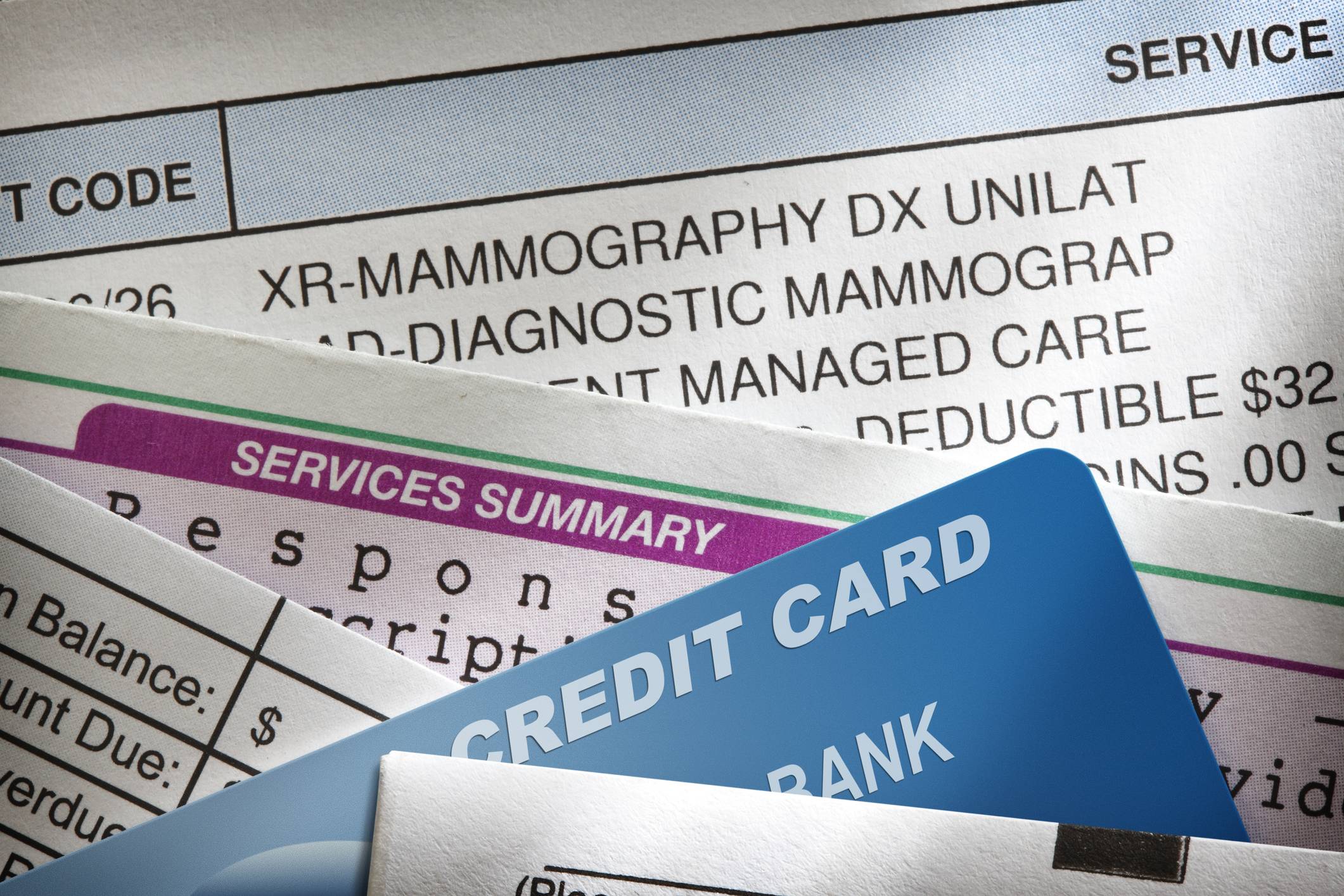
How Heavy Medical Debt Can be Relieved Through Bankruptcy
If you’ve had a serious illness or injury requiring extensive treatment, bills can quickly add up. In addition, you may be unable to work during the course of your recovery, which can compound your financial woes. If you cannot make the minimum payments on your medical bills and they continue to accumulate, you might consider Read More
Read More
Ways to Reestablish Your Credit Rating After Bankruptcy
Bankruptcy is intended to offer a fresh start, which includes restoring your ability to obtain credit. Your credit score will take a hit after you file for bankruptcy, but this setback need not be long-term. Although bankruptcy can remain on your credit report for up to 10 years, it may be possible to decrease the Read More
Read More
When Can Bankruptcy Be Used to Discharge Tax Debts?
Overdue taxes can be a huge burden for people who are trying to cope with other mounting debt. If you are considering bankruptcy, you may be able to be relieved of some or all of your tax debt, depending upon how long it has been owed. While current tax debt is generally nondischargeable, meaning that Read More
Read More
Obtaining a Mortgage Loan Modification as Part of Chapter 13 Bankruptcy
Lear how to obtain a mortgage loan modification as part of Chapter 13 Bankruptcy Chapter 13 bankruptcy may be used as an effective means of preventing foreclosure, allowing you to keep ownership of your home while repaying mortgage arrears over time. However, the mortgage remains in force, so you will be required to continue making Read More
Read More
Using Chapter 13 Lien Stripping to Reduce Secured Debt
One of the chief benefits of a Chapter 13 bankruptcy is the ability to shield your home from mortgage foreclosure. But what if you have a second or third mortgage or a home equity lien on the same property? Through a process known as lien stripping, you may be able to reduce or eliminate those Read More
Read More
Common Reasons for Bankruptcy Petition Denials and Discharge Denials
The U.S. Bankruptcy Court where you file for Chapter 7 or Chapter 13 has the power to deny your petition at any stage of your case. A judge can also prevent you from obtaining a debt discharge at the conclusion of the bankruptcy process, even for a debt that is normally considered to be dischargeable. Read More
Read More
How Are Chapter 13 Plans Structured and How Are Payments Calculated?
If you’re experiencing burdensome debt but are skittish about declaring bankruptcy, Chapter 13 is an alternative that may be right for you. Unlike a Chapter 7 bankruptcy — in which many of your debts may be discharged but at the cost of losing much of your property — Chapter 13 allows you to pay off Read More
Read More
Should a Chapter 7 Debtor Ever Sign a Debt Reaffirmation, and Why?
Chapter 7 bankruptcy can offer you a fresh start by relieving you of the financial obligations you had to your creditors. Although most of your non-exempt property is liquidated during the process to pay off your debt, there may be some property you want to keep, such as real estate or a vehicle. Consequently, there Read More
Read More- October 2026
- September 2026
- August 2026
- July 2026
- June 2026
- May 2026
- April 2026
- March 2026
- February 2026
- January 2026
- December 2025
- November 2025
- October 2025
- September 2025
- August 2025
- July 2025
- June 2025
- May 2025
- April 2025
- March 2025
- February 2025
- December 2024
- November 2024
- October 2024
- September 2024
- August 2024
- July 2024
- June 2024
- May 2024
- April 2024
- March 2024
- February 2024
- January 2024
- December 2023
- November 2023
- October 2023
- September 2023
- August 2023
- July 2023
- June 2023
- May 2023
- April 2023
- March 2023
- February 2023
- January 2023
- December 2022
- November 2022
- October 2022
- September 2022
- August 2022
- July 2022
- June 2022
- May 2022
- April 2022
- March 2022
- February 2022
- January 2022
- December 2021
- November 2021
- October 2021
- September 2021
- August 2021
- July 2021
- June 2021
- May 2021
- April 2021
- February 2021
- January 2021
- December 2020
- November 2020
- October 2020
- September 2020
- August 2020
- July 2020
- June 2020
- May 2020
- April 2020
- March 2020
- February 2020
- January 2020
- December 2019
- November 2019
- October 2019
- September 2019
- August 2019
- July 2019
- June 2019
- May 2019
- April 2019
- March 2019
- February 2019
- January 2019
- December 2018
- November 2018
- October 2018
- June 2017
- May 2017
- May 2016
- April 2016
- March 2016
- February 2016
- January 2016
- December 2015
- October 2015
- September 2015
- August 2015
- July 2015
- June 2015
- January 2015
- July 2014
- May 2014
- April 2014
- March 2014
- February 2014
- January 2014
- September 2013
- August 2013
- July 2013
- April 2013
Please fill out the form below and one of our attorneys will contact you.