By Jeff Field | Published September 14, 2026 | Posted in Bankruptcy | Tagged Tags: Financial Stability, Inflation, payments | Leave a comment

With Georgia Car Repossessions Rising, Bankruptcy Can Be a Lifeline
Car repossessions are surging across Georgia, due to defaults driven by inflation, rising insurance premiums and auto loans issued at historically high interest rates. For many individuals, a car is essential to earning a living, attending to essential needs and caring for loved ones. When monthly payments become unmanageable and the borrower defaults, repossession can Read More
Read More
Signs You Should Consider Filing for Bankruptcy in Georgia
Financial trouble rarely arrives overnight for Georgia consumers. For most, it builds gradually with missed debt payments, rising loan balances interest and increased collection pressures, until reaching the point where the debtor might need protection from creditors. Recognizing the warning signs early on can help you decide when it’s time to explore bankruptcy options and Read More
Read More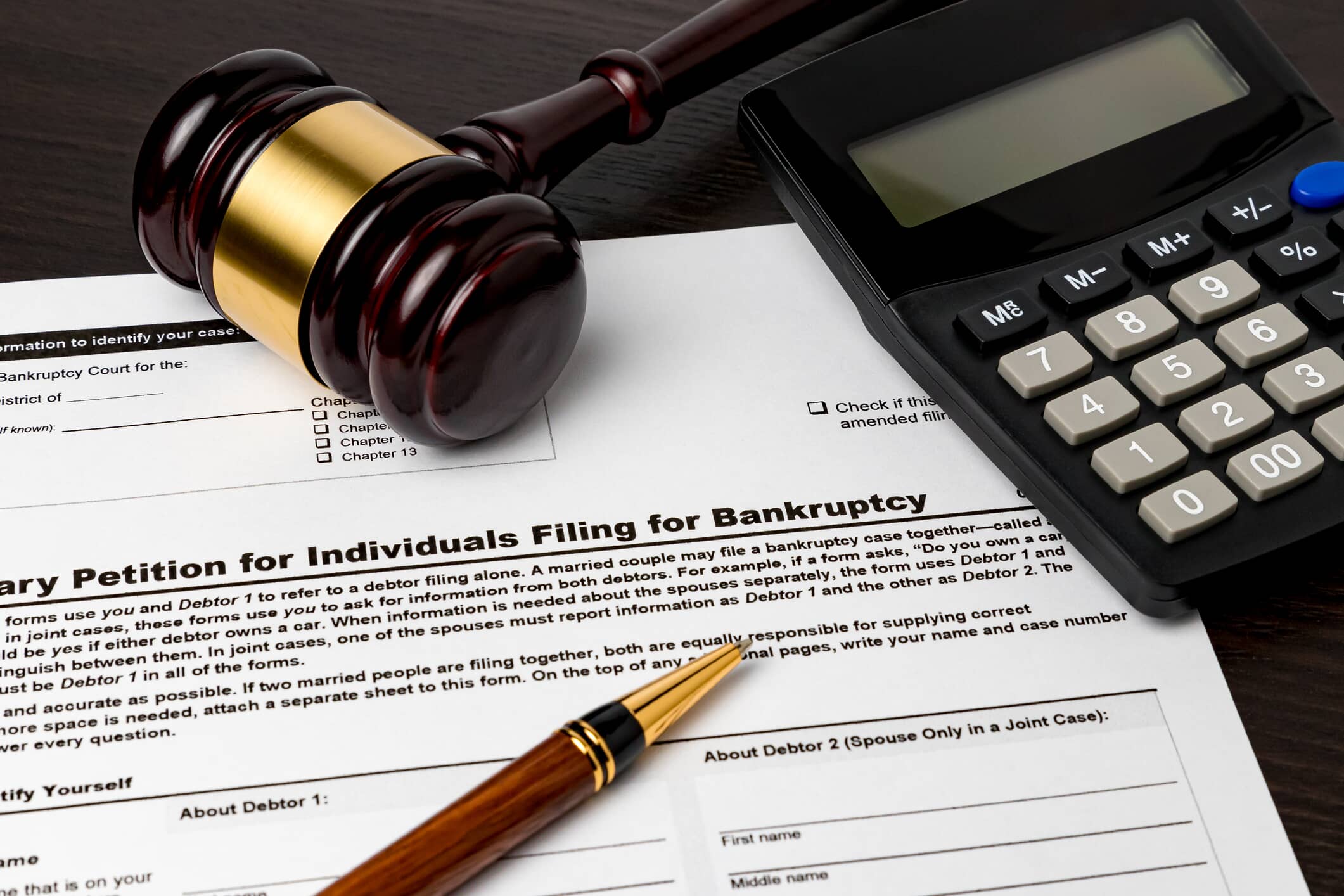
Filing for Bankruptcy Can Stop Wage Garnishments Instantly
Wage garnishment is a legal process that allows a creditor, based on a court judgment, to require your employer to divert a portion of each paycheck to satisfying the debt. Garnishment is often used by credit card companies, medical services providers, personal loan lenders and debt buyers. When part of every paycheck is taken before Read More
Read More
How Gig-Worker Income Is Proved in Bankruptcy
Since the 2020 pandemic dramatically reshuffled the economy, more and more individuals are earning income by performing short-term, flexible on-demand tasks or projects instead of holding traditional long-term jobs. By some estimates, 36 to 40 percent of the U.S. workforce is engaged in freelancing, typically through gig marketplaces or and other online platforms. While gig Read More
Read More
What Georgians Need to Know About Updated Chapter 7 Income Limits
If you are a distressed debtor in Georgia, a recent change in the law may have a positive effect on your eligibility for Chapter 7 bankruptcy protection. Debtors must satisfy a means test, which compares their monthly income to Georgia’s median and looks at their allowed expenses. A debtor who is found to have enough Read More
Read More
How Georgia’s New Homestead Exemption Affects Bankruptcy Strategy
Georgia homeowners considering bankruptcy relief have an important new advantage. A major increase in the state’s homestead exemption should allow more people to keep their homes in Chapter 7 bankruptcy while also improving the outcome for many Chapter 13 filers. A state law that took effect July 1, 2026 more than doubled Georgia’s homestead exemption, Read More
Read More
Student Loan Collections Restart: What Borrowers Need to Know
After years of pauses, policy changes and shifting repayment programs, federal student loan collections are fully active again in 2026. This restart places borrowers in jeopardy of wage garnishments, tax refund seizures and aggressive collection efforts. The good news: bankruptcy relief is more accessible than it used to be, especially under the updated Department of Read More
Read More
How Georgia Homeowners Can Use Bankruptcy to Stop Foreclosure
With foreclosure rates rising across Georgia in 2026, many families are finding themselves in precarious situations. Adjustable rate mortgages are resetting to much higher payments, property taxes are on the rise thanks to higher county assessments and everyday expenses — from groceries to fuel prices — continue to climb. On top of that, layoffs in Read More
Read More
What Are Your Options When Medical Bills Overwhelm You?
Medical debt is one of the most common financial burdens I see among clients across Georgia. Whether you live in Atlanta, Macon, Savannah, Columbus or a rural county with limited healthcare options, a single emergency room visit or unexpected surgery can leave you with bills that feel impossible to manage. The good news is that Read More
Read More
Why Georgia Is Experiencing a 2026 Bankruptcy Filing Surge
Georgia is experiencing a significant rise in bankruptcy filings in 2026, continuing a trend that has been building since post-pandemic protections expired and since inflation and interest rates began to climb. For many Georgia families, persistent financial pressure has reached a breaking point, driving more people than ever to seek bankruptcy relief. Personal bankruptcy filings Read More
Read More


-
 5.0/5.0
Great process. Detailed communication provided resources for rebuilding. Would recommend!
-
5.0/5.0
I had an excellent experience working with my bankruptcy attorney. From the very beginning, they were professional, knowledgeable, and compassionate. Filing bankruptcy can be overwhelming, but they took the time to explain every step of the process, ...
-
5.0/5.0
I had a great experience using Jeff Field and Associates for filing my Bankruptcy. Everyone was very professional and helpful. Connie Adams was so knowledgeable and patient with all of my questions I’m so glad that I chose this law firm and would r...
-
5.0/5.0
Great experience from start to finish. The process was smooth and stress-free, and Ms. Connie was amazing throughout—very helpful, professional, and supportive. I truly appreciate all the guidance and would highly recommend this firm.
-
5.0/5.0
Great experience from start to finish. The process was smooth and stress-free, and Ms. Connie was amazing throughout—very helpful, professional, and supportive. I truly appreciate all the guidance and would highly recommend this firm.
Please fill out the form below and one of our attorneys will contact you.