By Jeff Field | Published January 30, 2022 | Posted in Bankruptcy | Tagged Tags: chapter 13, chapter 7, cosigner | Leave a comment

How Does Filing for Bankruptcy Affect Your Cosigner on a Loan?
If a family member or close acquaintance has agreed to cosign on a loan or credit account for you, they are liable for the full amount due. That means the creditor can seek repayment from your cosigner even if you seek bankruptcy protection. In deciding how to proceed, you need to consider the effect of Read More
Read More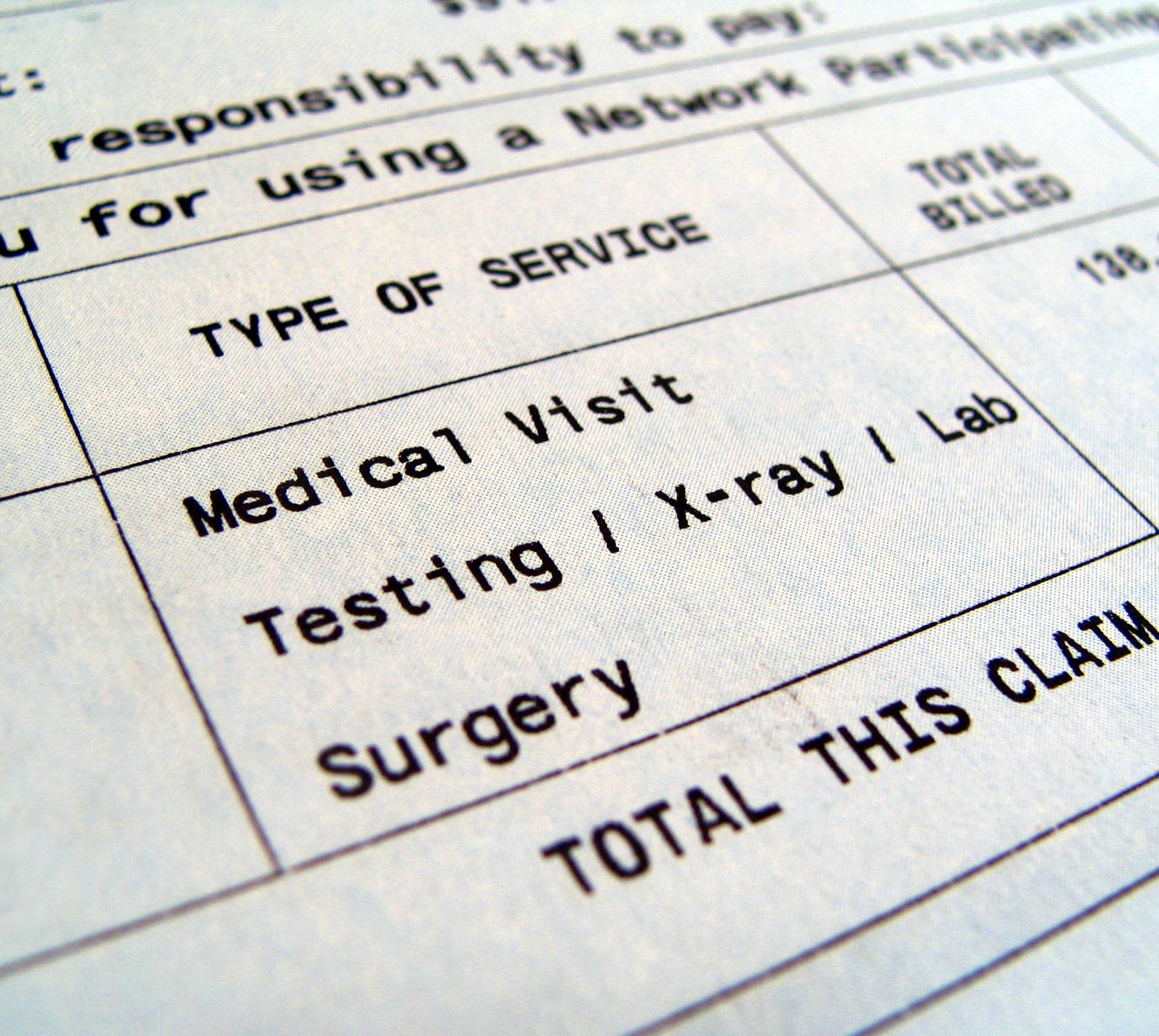
How Filing for Medical Bankruptcy Can Help With Health Insurance
Unmanageable debt due to medical expenses is a major reason why Americans fall into financial hardship. If you’re in this situation, you might not even be able to afford health insurance, with the result that your medical bills continue to mount. Filing for bankruptcy can alleviate your economic burdens and offer you a fresh start. Read More
Read More
Common Mistakes People Make Before Filing for Bankruptcy
Bankruptcy is a legal remedy that can offer a fresh start and the opportunity to overcome substantial debt. However, people preparing to file for bankruptcy sometimes act in ways that they think will improve their financial positions but which actually may hurt them. Certain actions can reduce the protections available in bankruptcy. Others can result Read More
Read More
What Happens to Assets You Receive While Going Through Chapter 13?
A Chapter 13 bankruptcy allows you to reorganize your debts and partially pay them off according to a court-approved plan, which can last three to five years. That plan is based on your assets and projected monthly income and how much of those resources you can devote to debt repayment. But what if you receive Read More
Read More
The Automatic Stay in Bankruptcy: Knowing its Limits
Bankruptcy offers a number of protections for people facing overwhelming debt. One of the most important is the automatic stay that takes effect once you have filed. In general, it stops your creditors from taking action to collect debts and also halts lawsuits and most other legal proceedings against you. The stay remains in place Read More
Read More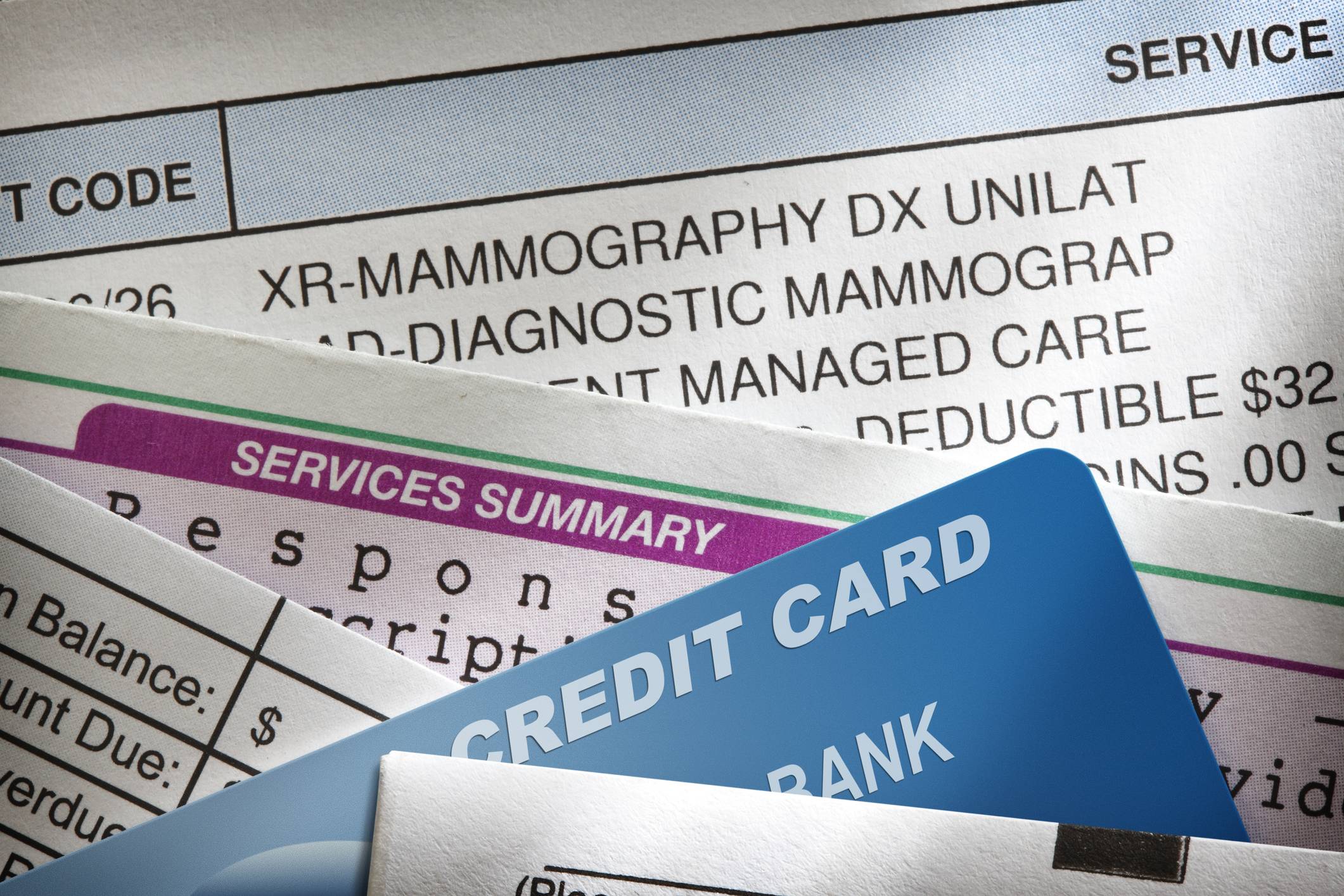
How Heavy Medical Debt Can be Relieved Through Bankruptcy
If you’ve had a serious illness or injury requiring extensive treatment, bills can quickly add up. In addition, you may be unable to work during the course of your recovery, which can compound your financial woes. If you cannot make the minimum payments on your medical bills and they continue to accumulate, you might consider Read More
Read More
Ways to Reestablish Your Credit Rating After Bankruptcy
Bankruptcy is intended to offer a fresh start, which includes restoring your ability to obtain credit. Your credit score will take a hit after you file for bankruptcy, but this setback need not be long-term. Although bankruptcy can remain on your credit report for up to 10 years, it may be possible to decrease the Read More
Read More
When Can Bankruptcy Be Used to Discharge Tax Debts?
Overdue taxes can be a huge burden for people who are trying to cope with other mounting debt. If you are considering bankruptcy, you may be able to be relieved of some or all of your tax debt, depending upon how long it has been owed. While current tax debt is generally nondischargeable, meaning that Read More
Read More
Common Reasons for Bankruptcy Petition Denials and Discharge Denials
The U.S. Bankruptcy Court where you file for Chapter 7 or Chapter 13 has the power to deny your petition at any stage of your case. A judge can also prevent you from obtaining a debt discharge at the conclusion of the bankruptcy process, even for a debt that is normally considered to be dischargeable. Read More
Read More
How Are Chapter 13 Plans Structured and How Are Payments Calculated?
If you’re experiencing burdensome debt but are skittish about declaring bankruptcy, Chapter 13 is an alternative that may be right for you. Unlike a Chapter 7 bankruptcy — in which many of your debts may be discharged but at the cost of losing much of your property — Chapter 13 allows you to pay off Read More
Read More


-
 5.0/5.0
Great process. Detailed communication provided resources for rebuilding. Would recommend!
-
5.0/5.0
I had an excellent experience working with my bankruptcy attorney. From the very beginning, they were professional, knowledgeable, and compassionate. Filing bankruptcy can be overwhelming, but they took the time to explain every step of the process, ...
-
5.0/5.0
I had a great experience using Jeff Field and Associates for filing my Bankruptcy. Everyone was very professional and helpful. Connie Adams was so knowledgeable and patient with all of my questions I’m so glad that I chose this law firm and would r...
-
5.0/5.0
Great experience from start to finish. The process was smooth and stress-free, and Ms. Connie was amazing throughout—very helpful, professional, and supportive. I truly appreciate all the guidance and would highly recommend this firm.
-
5.0/5.0
Great experience from start to finish. The process was smooth and stress-free, and Ms. Connie was amazing throughout—very helpful, professional, and supportive. I truly appreciate all the guidance and would highly recommend this firm.
Please fill out the form below and one of our attorneys will contact you.