By Jeff Field | Published October 31, 2023 | Posted in Bankruptcy | Tagged Tags: chapter 7, liquidation bankruptcy, rebuilding credit | Leave a comment

Ways to Quickly Start Rebuilding Your Credit Score After Chapter 7
A Chapter 7 bankruptcy can be an effective remedy for people who are struggling with overwhelming debt. A bankruptcy filing initially hurts your credit score, but once you’ve received your discharge of debt, you can start to repair your credit score. A Chapter 7 stays on your credit report for 10 years. However, the impact Read More
Read More
Dangers of Using Mortgage Relief Agencies to Fight Foreclosure
If you are facing mortgage default or foreclosure, you may be aware of mortgage relief companies that claim to provide homeowners with ways to keep their property, refinance or modify their mortgages, repair their credit or simply buy time to stave off debt problems. However, many of these options are scams that cause debtors to Read More
Read More
What to Do – and Not Do – Before Filing for Bankruptcy
Bankruptcy is a legal process that allows individuals and businesses to discharge their debts. It can be a complex and daunting process, but it can be a lifesaver for those who are struggling to make ends meet. Like any court proceeding, a bankruptcy requires careful preparation. It’s equally important to avoid mistakes that can undercut Read More
Read More
Pros and Cons of Debt Consolidation vs. Bankruptcy
If you are having trouble paying your creditors, you might consider either debt consolidation or bankruptcy. One of these remedies makes use of the court and lawyers (bankruptcy), while the other is entirely private (debt consolidation). The goal is the same, but the paths are distinct. Debt consolidation creates one new loan (or line of Read More
Read More
Managing Tax Debts Through a Chapter 13 Plan
A Chapter 13 bankruptcy may allow you to eliminate a sizable portion of your outstanding debt. In some cases you pay off a relatively small amount of unsecured debts, with the remainder being discharged. However, tax debts are generally not eligible for reduction and discharge. With a few exceptions, they must be paid in full. Read More
Read More
When Can a Creditor Get Relief from the Bankruptcy Automatic Stay?
The day you file a Chapter 7 or Chapter 13 case with the bankruptcy court, an automatic stay is imposed that requires your creditors to cease their collection practices. The stay prohibits phone calls, letters, lawsuits, wage garnishments and executions on property, such as mortgage foreclosures. The court can impose penalties such as attorneys’ fees, Read More
Read More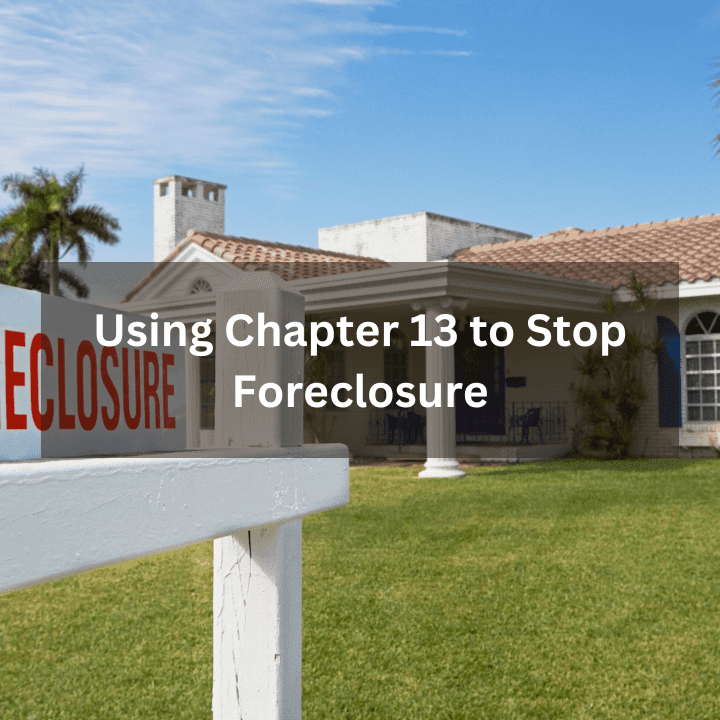
Using Chapter 13 to Stop Foreclosure
Chapter 13 is a form of bankruptcy that allows you to restructure your outstanding debts for repayment over an extended period of time. This includes defaulted home mortgage loans that are in the process of foreclosure. If you meet the eligibility requirements for Chapter 13, you can put a hold on the foreclosure, buy yourself Read More
Read More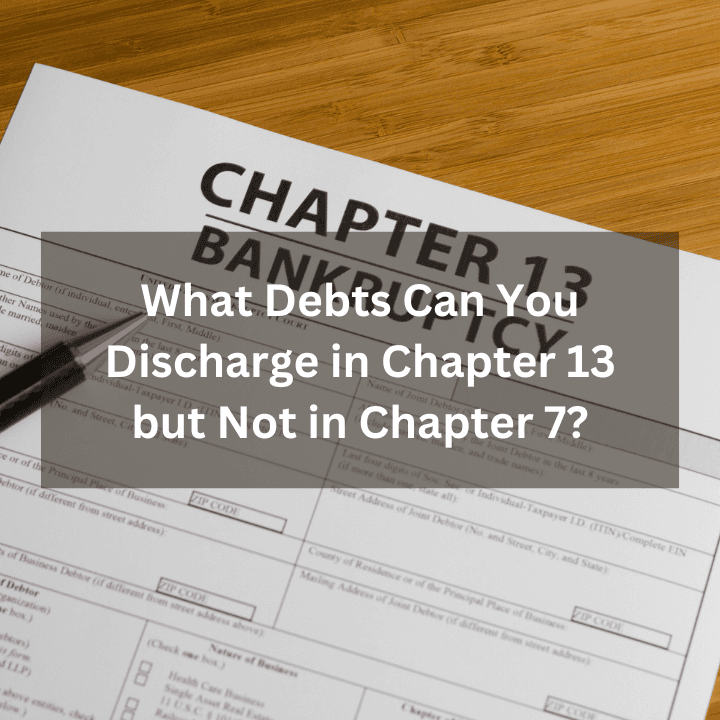
What Debts Can You Discharge in Chapter 13 but Not in Chapter 7?
People with unmanageable debt loads often turn to bankruptcy for relief. Most of them proceed using either Chapter 7 or Chapter 13 of the bankruptcy code, which set out different paths for discharging the individual’s debt. One notable difference is that Chapter 13 requires partial repayment of outstanding debt. However, an advantage of Chapter 13 Read More
Read More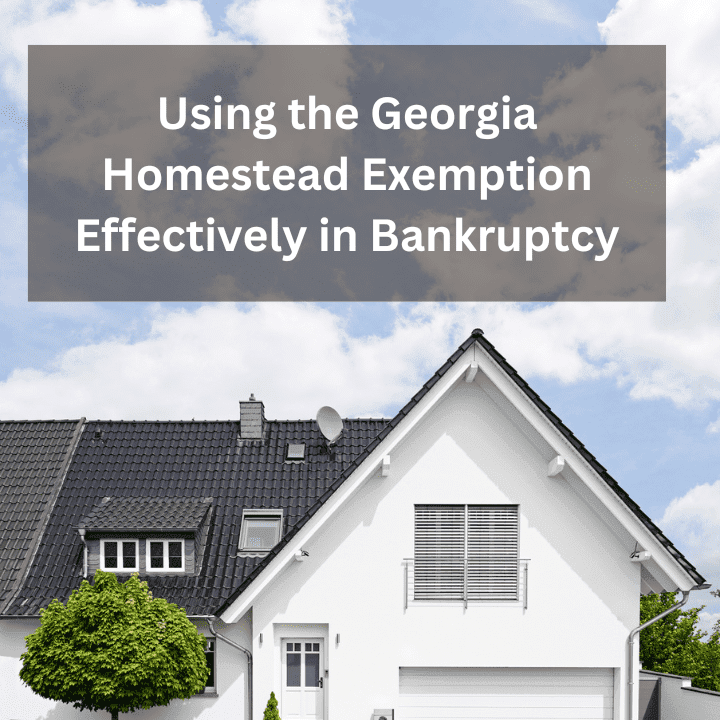
Using the Georgia Homestead Exemption Effectively in Bankruptcy
Bankruptcy provides a fresh financial start for people faced with insurmountable debt. Although the bankruptcy trustee has authority to seize and sell the debtor’s assets to pay off creditors, there are federal and state laws that allow debtors to keep certain property or its equivalent value. These are called exemptions, and one of the most Read More
Read More
How Business Debt Can Exempt You From the Bankruptcy Means Test
Chapter 7 is often the preferred form of bankruptcy relief for individuals, but not everyone qualifies. Most debtors must satisfy the “means test,” which is used to demonstrate that they have insufficient income to repay any portion of their debt. However, debtors who hold a large amount of business debt are exempt from the Chapter Read More
Read More


-
 5.0/5.0
Great process. Detailed communication provided resources for rebuilding. Would recommend!
-
5.0/5.0
I had an excellent experience working with my bankruptcy attorney. From the very beginning, they were professional, knowledgeable, and compassionate. Filing bankruptcy can be overwhelming, but they took the time to explain every step of the process, ...
-
5.0/5.0
I had a great experience using Jeff Field and Associates for filing my Bankruptcy. Everyone was very professional and helpful. Connie Adams was so knowledgeable and patient with all of my questions I’m so glad that I chose this law firm and would r...
-
5.0/5.0
Great experience from start to finish. The process was smooth and stress-free, and Ms. Connie was amazing throughout—very helpful, professional, and supportive. I truly appreciate all the guidance and would highly recommend this firm.
-
5.0/5.0
Great experience from start to finish. The process was smooth and stress-free, and Ms. Connie was amazing throughout—very helpful, professional, and supportive. I truly appreciate all the guidance and would highly recommend this firm.
Please fill out the form below and one of our attorneys will contact you.